Travel guide · Verify before travel
Banff Travel Guide
A practical first-time planning guide to Banff — where it is, how to get there, whether you need a car, park passes, seasons, Lake Louise and Moraine Lake access, and how to use Banff as a Rockies base.
Fact checked:
What is the best way to plan a first trip to Banff?
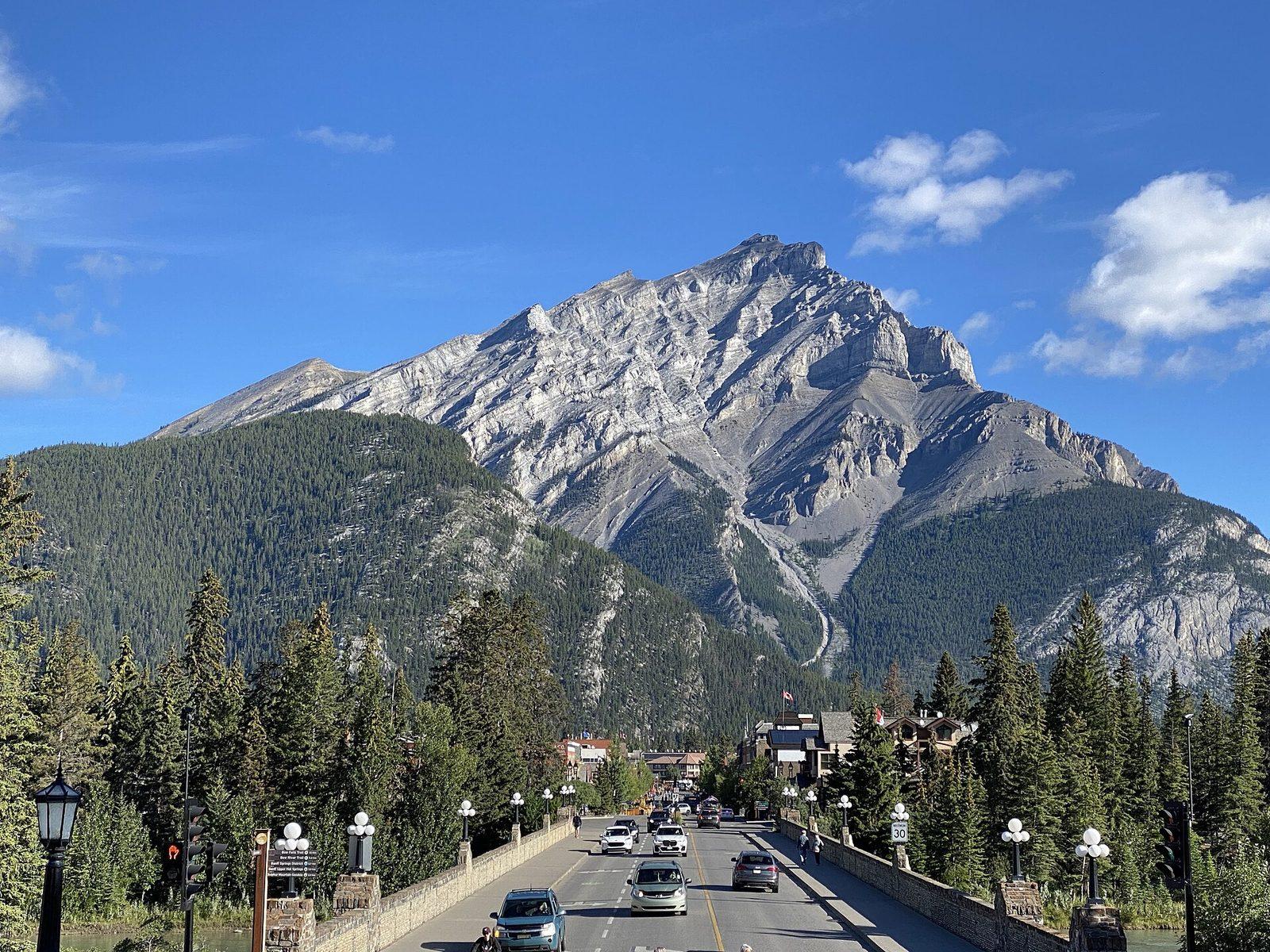
Banff is the best all-around first-time base in the Alberta Rockies — a compact town inside Banff National Park with lodging, dining, and day-trip access to Lake Louise, Moraine Lake (by shuttle or licensed transport), and the Icefields Parkway. Plan three to four days, treat park access and lake transport as systems you book ahead in peak season, and decide later whether Canmore or Jasper fits your trip.
First-time snapshot
Banff is a mountain town inside Banff National Park. That single fact drives almost every planning decision: lodging sits in a national park, day trips are park logistics, and iconic lakes use reservation-heavy access systems in peak season.
Planning guidance for most first-timers:
- Fly into Calgary International Airport (YYC)
- Base in Banff for three to four nights
- Day-trip to Lake Louise (and Moraine Lake via shuttle or licensed transport)
- Treat parking, park passes, and lake shuttles as systems you confirm before you travel — not as afterthoughts
This guide is evergreen planning architecture with fact-checked operational details as of 2 October 2026. Fees, shuttle seasons, and road conditions change. Prefer the linked Parks Canada, Town of Banff, Roam, and 511 Alberta pages for live status.
Where Banff is
Direct answer: Banff is a town in Alberta’s Rocky Mountains inside Banff National Park, about 128 kilometres (80 miles) west of Calgary, with highway travel commonly around 1.5 hours depending on where you start and whether you stop in Canmore.
The Town of Banff and Banff National Park are related but not identical labels: the townsite is the municipal base; the park is the protected landscape and the authority for passes, wildlife rules, and lake access systems.
Nearby relationships that matter for itineraries:
- Canmore — just outside the park, linked daily by Roam Route 3
- Lake Louise — major day trip west along the Trans-Canada corridor
- Moraine Lake — high-demand lake near Lake Louise with no personal-vehicle road access
- Jasper — connected from the Lake Louise area via the Icefields Parkway (Highway 93 North)
Why Banff works as a first-time base
Banff concentrates lodging, restaurants, groceries, and evening walkability in a small townsite (about 4 square kilometres per Town of Banff). From that base you can reach park classics without relocating every night.
Choose Banff when you want:
- Walkable evenings after park days
- Dense hotel and dining inventory
- Direct Roam links to Lake Louise, Johnston Canyon, Lake Minnewanka, and Canmore
Choose elsewhere when Banff’s density or price is the wrong fit — see Banff or Canmore.
Getting to Banff
From Calgary and YYC
Arrive via Calgary International Airport (YYC) or from the Calgary area. From Calgary:
- Drive the Trans-Canada corridor (about 1.5 hours in normal conditions)
- Take a scheduled shuttle / coach between YYC (or Calgary) and Banff — the Town of Banff lists multiple operators on its Getting to Banff page and points travellers to carfreebanff.ca for car-free options
- Roam Transit does not connect YYC to Banff; use an airport transfer or rental first, then Roam locally
Winter weather, weekend peaks, and construction can stretch the drive. Check 511 Alberta before you leave.
Arriving car-free
The Town of Banff actively encourages arriving without a personal vehicle. Once you are in town, Roam covers local attractions and regional links. Bicycle and e-bike rentals are widely available for short hops.
Getting around Banff
Direct answer: Yes — Banff has public transit. Roam Transit is the network for getting around the Banff townsite and for regional links to Canmore and Lake Louise. Walking covers the compact downtown core; a rental car is optional for many itineraries and actively unhelpful at Moraine Lake.
Roam Transit
Roam Transit links Banff, Canmore, and Lake Louise. Local Banff routes serve areas such as Sulphur Mountain / the gondola corridor, Tunnel Mountain, Cave & Basin (seasonal), and Lake Minnewanka (seasonal). Regional services include:
- Route 3 — downtown Canmore ↔ downtown Banff (daily)
- Route 8X — Banff ↔ Lake Louise Village / Lakeshore (year-round; summer reservations recommended)
- Route 9 — Johnston Canyon (seasonal pattern)
Confirm live schedules and fares on roamtransit.com. Operator pages change by season; do not treat any printed timetable in a blog post as current.
Do you need a car in Banff?
Short answer: not always — and sometimes a car makes the trip harder.
You can visit Banff successfully without a personal vehicle if you:
- Base in or near downtown Banff
- Use Roam for Lake Louise, Canmore, and major local attractions
- Reserve Parks Canada shuttles or licensed commercial transport for Moraine Lake in season
A rental car still helps when you want early trailheads, multi-stop Icefields Parkway days, shoulder-season flexibility, or lodging that is awkward for transit.
Parking reality (municipal guidance): pay parking applies downtown; on nice summer days, town parking (free and paid) is often full by about 10 a.m. Attraction lots such as the Banff Gondola / Upper Hot Springs corridor also fill early and can create turn-away traffic. Overnight visitors are urged to leave cars at hotels or campgrounds and ride Roam.
Park access and passes
Banff town and Banff National Park are not separate worlds. If you spend time in the park — viewpoints, trails, picnic sites, townsites, camping — you need a valid Parks Canada pass.
A Banff superintendent bulletin effective 8 September 2026 treats travel in Banff National Park as a designated activity requiring authorization in the form of a pass, with exceptions for persons travelling without stopping on the Trans-Canada Highway (1) and the Banff–Windermere Highway (93 South).
What to do in practice:
- Buy a daily pass or Discovery Pass (annual, multi-location) from Parks Canada
- Display or present the pass as required
- Remember that shuttle tickets, lakeshore parking, camping, and hot springs are separate fees
Fee snapshot verified 2 October 2026 on Parks Canada’s Banff fees page (confirm before travel — prices change):
| Product | Adult | Notes |
|---|---|---|
| Daily admission | CAD 12.25 | Senior CAD 10.75; youth free; family/group CAD 24.50 |
| Discovery Pass | CAD 83.50 | Senior CAD 71.50; family/group CAD 167.50 |
| Parks Canada LL / Moraine shuttle | CAD 12.75 | Senior CAD 6.00; youth CAD 4.00; reservation fees extra |
Youth 17 and under receive free park admission; other experiences (camping, hot springs, shuttles, parking) still charge.
Primary references: Banff fees, Banff passes.
When to visit
Summer
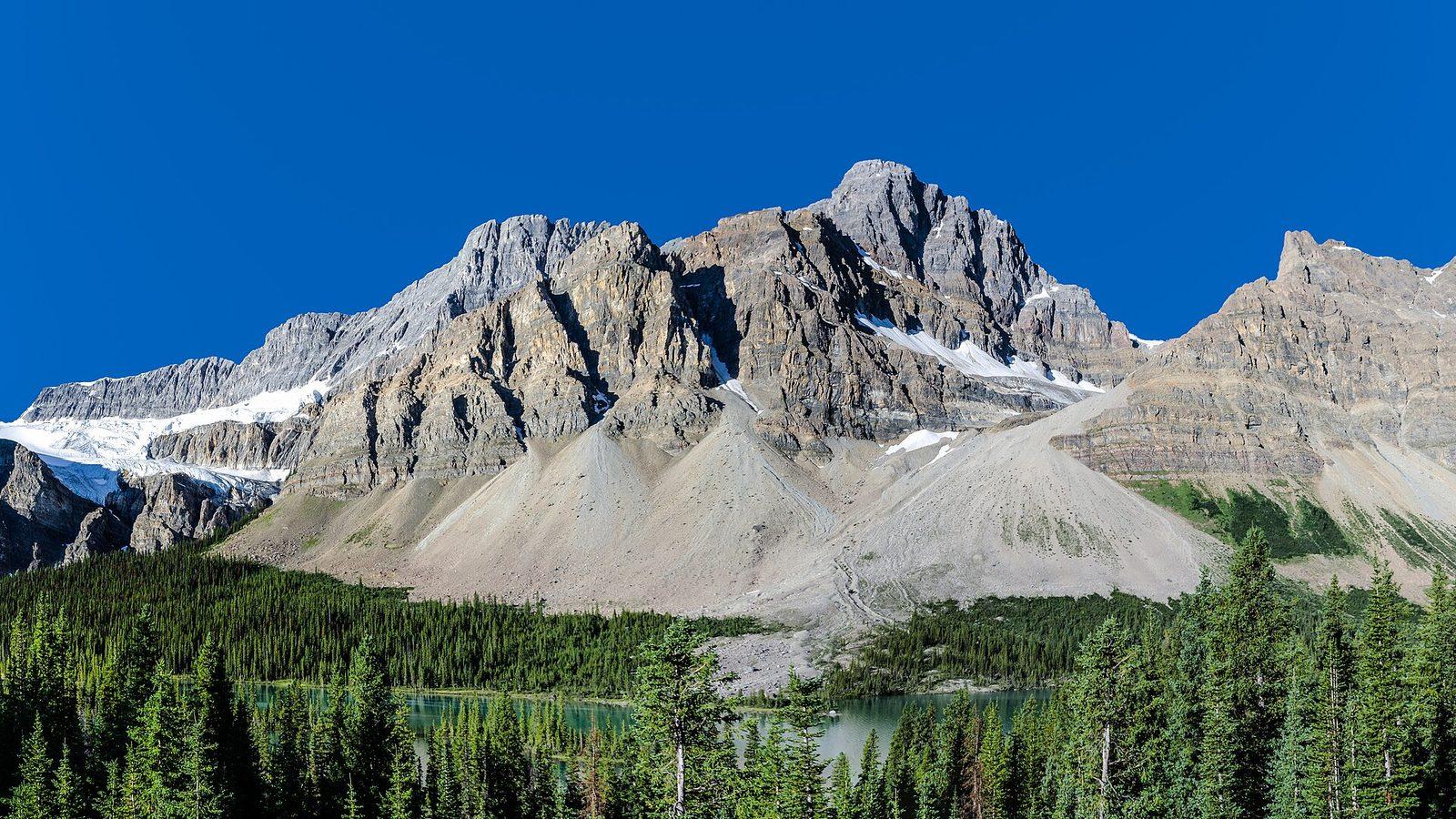
Longest daylight, fullest trail network, and the Parks Canada Lake Louise / Moraine Lake shuttle season. Also the heaviest crowding and strongest reservation pressure. Book lodging and lake access early.
Winter
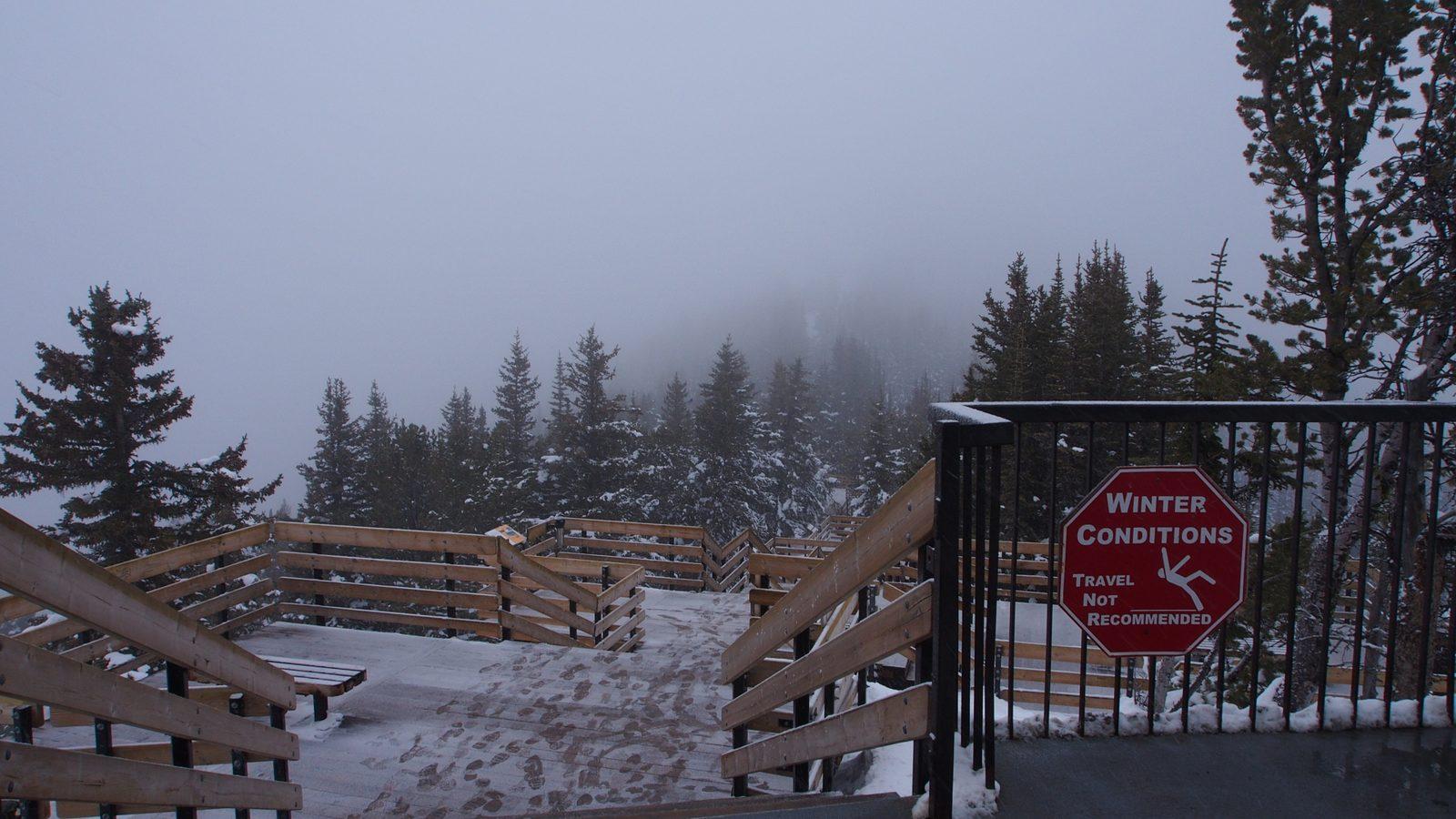
Quieter town streets, ski and winter walking opportunities, and less parking pressure per Town of Banff guidance — but shorter days, cold, and winter road hazards. Lake access systems differ from summer; do not assume summer shuttle rules apply.
Shoulder seasons (spring and fall)
Often the best balance of fewer crowds and workable weather, with important caveats: snow can linger on alpine trails into early summer, larch season in September is popular, and shuttle / road seasons have hard start and end dates. Always verify trail and road status.
Where to stay
Stay in Banff if you want evening walkability, the densest restaurant mix, and the simplest transit-first trip.
Stay in Canmore if you want more space, a quieter base just outside the park, and are comfortable with a short Roam or drive link into Banff.
Stay in Lake Louise only when you specifically want lakeside lodging proximity — inventory is limited and priced accordingly.
This guide does not rank hotels. Match lodging to transport mode: car-free travellers should prioritise downtown Banff or properties that supply Roam guest passes.
Things to do
Prioritise a mix of town orientation and park classics rather than trying to “see everything”:
- Walk Banff Avenue and the Bow River pathways
- Ride Roam to a signature viewpoint or short hike matched to fitness and season
- Plan a dedicated Lake Louise / Moraine Lake day with reserved access
- Leave buffer time for weather, wildlife jams, and full parking lots
Popular Banff-area stops reachable by Roam in season include the Banff Gondola corridor, Cave & Basin, Lake Minnewanka, and Johnston Canyon. Confirm seasonal route status before you build a rigid timetable.
Hiking and outdoors
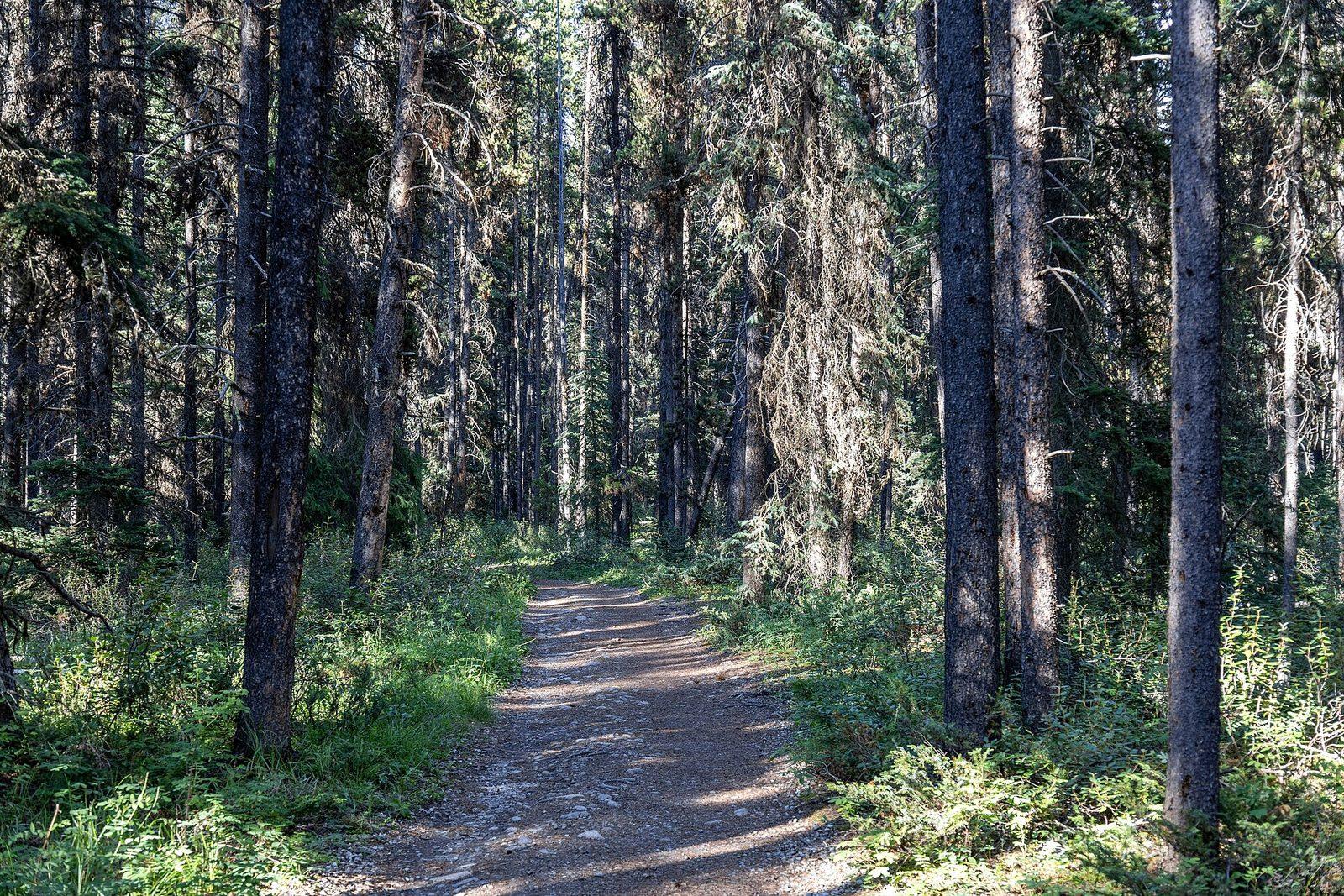
Banff National Park hiking ranges from paved lakeside paths to serious alpine days. Practical rules that prevent ruined trips:
- Check trail conditions the morning you go
- Carry bear spray year-round and know how to use it
- Travel in groups on trails when possible; make noise
- Obey area closures — they are law, not suggestions
Trail difficulty ratings and “best hikes” lists go stale quickly after wildfire, weather, or wildlife closures. Prefer Parks Canada’s current conditions over any evergreen ranking, including ours.
Lake Louise and Moraine Lake
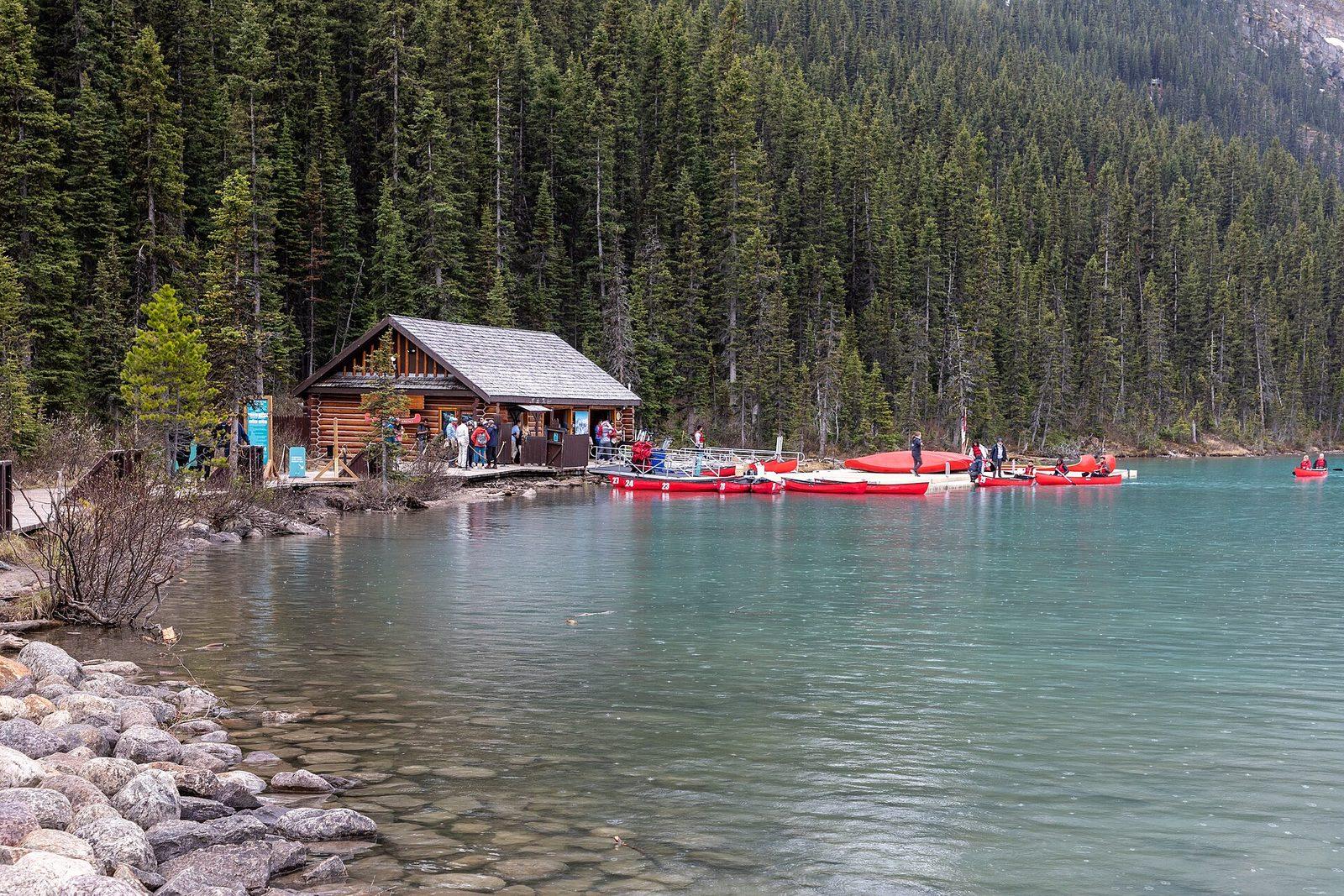
These lakes are the planning bottleneck for most first-time Banff trips. Treat them as a transportation problem, not a spontaneous scenic stop. Keep the entities distinct: Lake Louise Village, Lake Louise lakeshore, and Moraine Lake are not the same access problem.
Can you drive to Lake Louise?
Short answer: yes — with peak-season lakeshore caveats. This is not Moraine Lake.
- Personal vehicles may drive to Lake Louise Village and may attempt lakeshore parking
- In peak periods, lakeshore lots often fill; Parks Canada states that attempting parking without a shuttle, Roam, or commercial reservation is unlikely to work, and many drivers were turned away once lots filled
- Parks Canada recommends Roam or reserved Parks Canada shuttles for reliable lakeshore access in the busy season
- A car is therefore allowed at Lake Louise, but it is often not the best lakeshore plan in summer
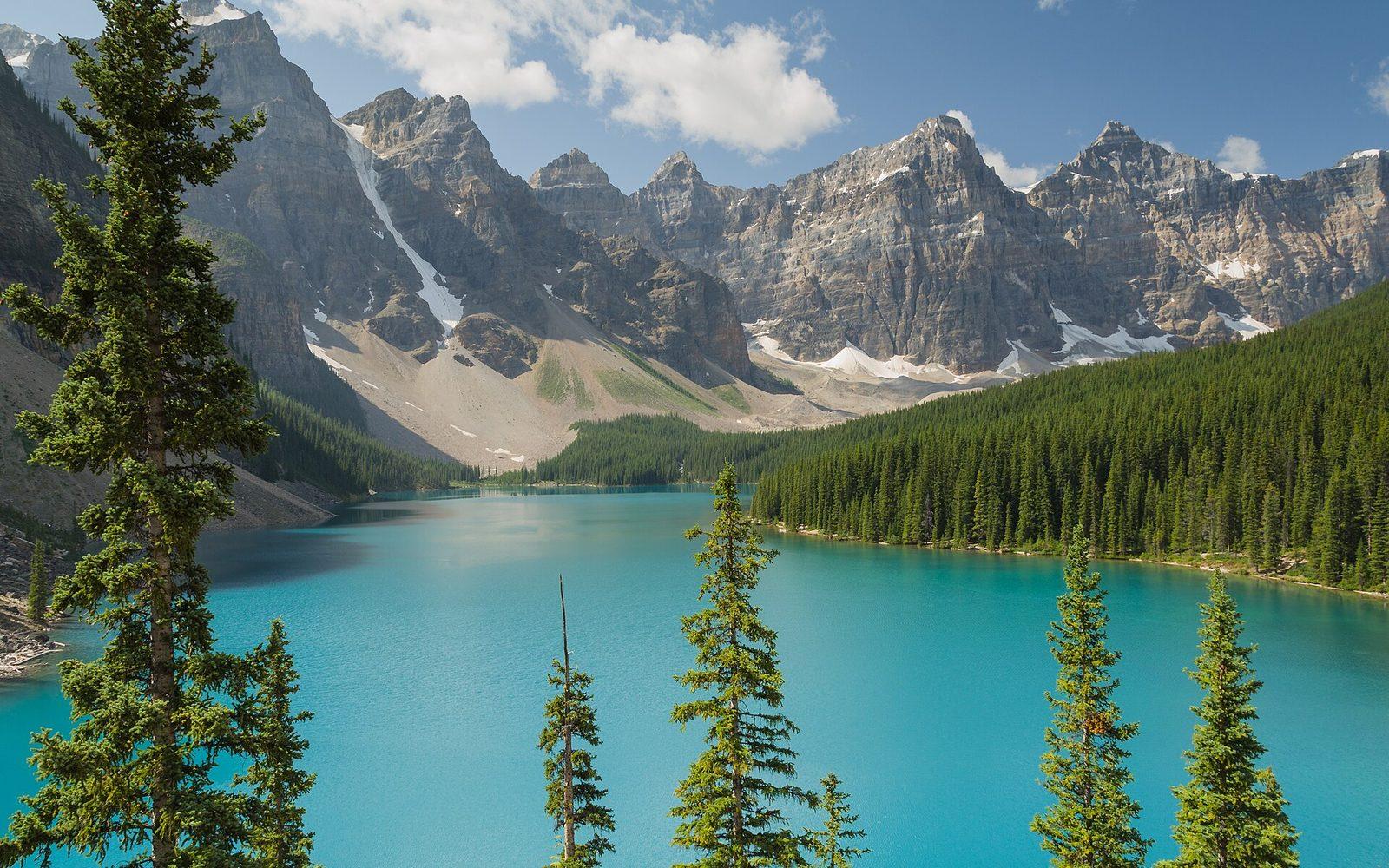
Moraine Lake — no personal vehicles
Moraine Lake Road is closed to personal vehicles year-round. Access is limited to:
- Parks Canada shuttles (June to mid-October)
- Licensed commercial operators with a Moraine Lake Road licence (June to mid-October)
- Registered guests of Moraine Lake Lodge
Hiking the full road from Lake Louise is not recommended by Parks Canada.
Parks Canada shuttles (2026 season)
Verified on Parks Canada’s Lake Louise / Moraine Lake page (2 October 2026):
- Lake Louise Lakeshore shuttle: 15 May – 12 October 2026
- Moraine Lake shuttle: 1 June – 12 October 2026 (weather permitting)
- Reservations required; Park and Ride check-in at Lake Louise Ski Resort (1 Whitehorn Road)
- One reserved ticket framework can include both lakes via the Lake Connector in season
- Shuttle tickets do not include national park admission
Parks Canada states that attempting lakeshore parking without a shuttle, Roam, or commercial reservation is unlikely to work in peak periods, and that the Lake Louise Lakeshore parking lot often fills before sunrise and vehicles are turned away when full.
Roam to Lake Louise
Roam Route 8X runs year-round between Banff and Lake Louise. In summer, Parks Canada notes that Roam Reservable Super Pass holders can connect to the Parks Canada Lake Connector for Moraine Lake access subject to Roam’s restrictions — confirm on Roam’s current pages before relying on that combo.
Deeper logistics: Lake Louise without a car.
Wildlife and park safety
Wildlife appears in townsites as well as on trails. Parks Canada Banff guidance emphasises:
- Keep at least 30 metres from elk, deer, sheep, and moose
- Keep at least 100 metres from bears, wolves, cougars, and coyotes
- Never feed, entice, or disturb wildlife
- Stay in your vehicle at roadside wildlife stops; move on if a jam forms
- Report bear, cougar, wolf, and coyote encounters to Banff Dispatch: 403-762-1470
Primary hub: Wildlife and you.
Banff with kids
Direct answer: Banff is a strong family destination when you protect energy and logistics rather than trying to see every viewpoint in two days.
Family-friendly patterns that work well:
- Walk Banff Avenue and the Bow River pathways for an easy first afternoon
- Use Roam for short outings (gondola corridor, Cave & Basin in season, Lake Minnewanka in season) instead of stacking long transfers
- Reserve a Lake Louise / Moraine Lake day so the highlight is not lost to parking turnaways
- Choose shorter hikes matched to age and fitness; check trail conditions the morning you go
- Build a midday reset in town (meal, playground time, early evening)
Logistics that make family trips smoother:
- Youth 17 and under receive free Parks Canada admission — still budget for shuttles, activities, and meals
- Carry layers; mountain weather swings hard even in July
- Prefer reserved lake access over sunrise parking gambles with tired kids
Banff with dogs
Dogs are welcome in much of Banff National Park only under strict rules:
- Leash of 3 metres or less, under physical control at all times (Parks Canada law)
- Pick up waste; store pet food securely
- Some trails restrict dogs — check current trail pages
- Parks Canada advises considering leaving your dog at home if you plan to camp, hike or go into the backcountry
Primary pages: Banff dogs, Dogs in Parks Canada places.
How many days to spend
Editorial planning guidance (not an official rule):
| Trip length | Realistic scope |
|---|---|
| 2 days | Banff town + one major outing; little weather buffer |
| 3–4 days | Banff base + Lake Louise / Moraine Lake day + one more park day |
| 5+ days | Add Jasper via the Icefields Parkway without turning the parkway into a blur |
Suggested first-trip structure (3–4 days)
- Arrive YYC → Banff, settle, walk the townsite / Bow River
- Local Banff day — viewpoint or short hike via Roam; avoid over-driving
- Lake Louise / Moraine Lake day — reserved shuttle or Roam + connector plan
- Buffer / second park day — Johnston Canyon, Lake Minnewanka, or a longer hike if conditions allow
Banff versus Canmore
| Banff | Canmore | |
|---|---|---|
| Location | Inside Banff National Park | Just outside the park |
| Vibe | Dense visitor town | Quieter gateway town |
| Evenings | Walkable dining core | More spread out |
| Link | — | Roam Route 3 / short drive |
Banff
Inside the park — denser evenings and denser Roam coverage.
Photo: Adam Bishop / Wikimedia Commons / CC BY-SA 4.0Canmore
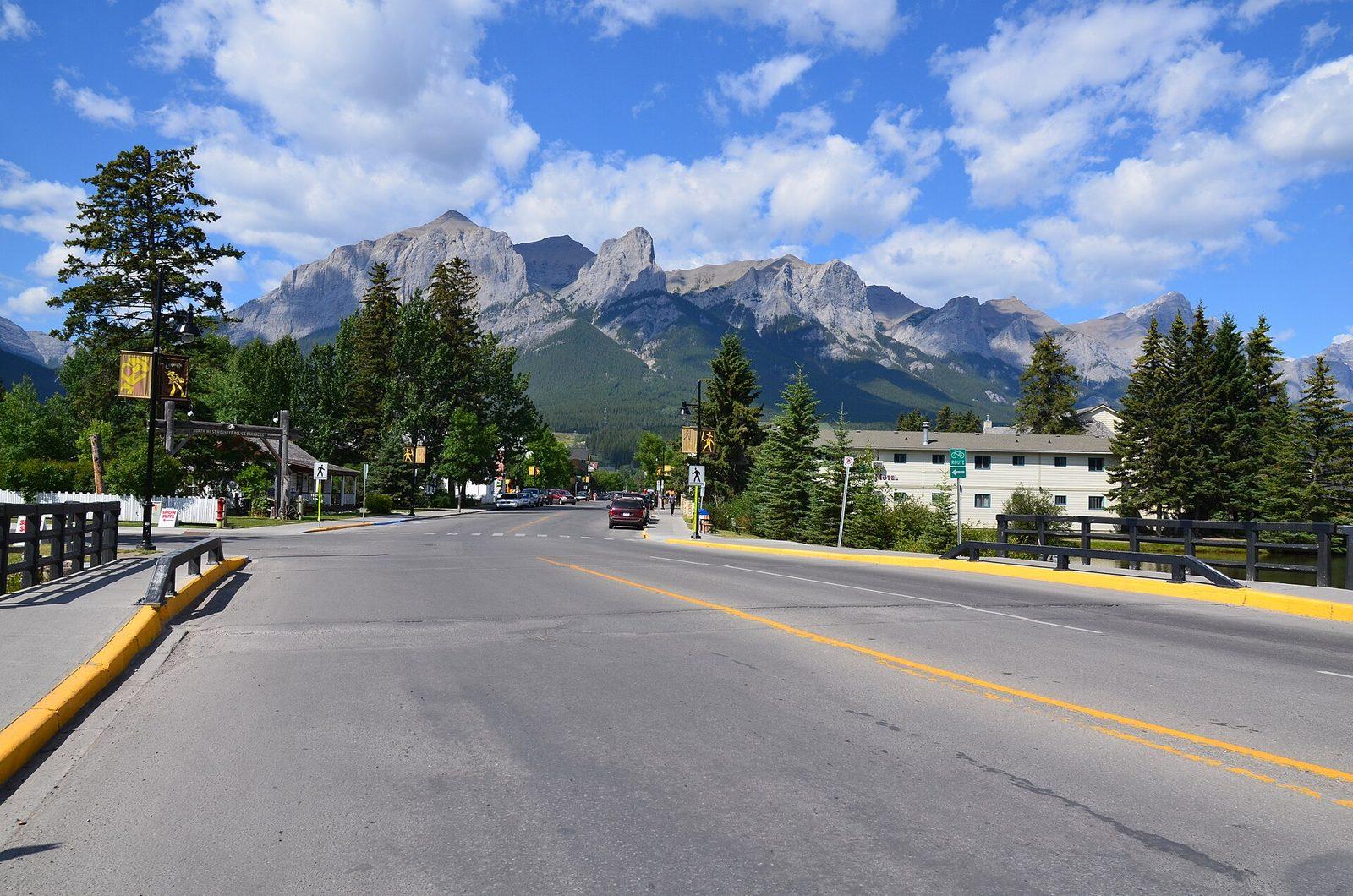
Just outside the park — often more space, linked by Roam Route 3.
Photo: Jack Borno / Wikimedia Commons / CC BY-SA 3.0Full comparison: Banff or Canmore.
Banff to Jasper and the Icefields Parkway
Direct answers: The Icefields Parkway (Highway 93 North) is the scenic road linking the Lake Louise area in Banff National Park with Jasper — about 232 km one way. Most travellers drive it; plan a full day with stops rather than treating it as a two-hour transfer.
Parks Canada requires a valid national park pass and notes practical constraints:
- Services are seasonal; fuel and supplies are limited
- Winter is long; snow and closures can occur; check 511 Alberta
- Cell coverage is unreliable — download maps offline
Guide: Banff to Jasper via the Icefields Parkway.
Planning mistakes to avoid
- Assuming you can drive to Moraine Lake — you cannot in a personal vehicle
- Skipping park-pass purchase because you are “only going to town”
- Leaving Lake Louise access to chance on a peak summer morning
- Circling downtown for parking at 11 a.m. in July instead of using hotel parking + Roam
- Treating the Icefields Parkway as a two-hour transfer with no fuel, food, or weather plan
- Copying last year’s shuttle dates — seasons are published annually
The dates above describe the 2026 season, not year-round availability. The Parks Canada lake shuttles and Roam Super Pass end on 12 October 2026; do not plan those products for later dates or assume the same dates in 2027. Check the 2026/2027 Roam fall and winter guidance for Route 8X after the summer season.
Authoritative planning resources
- Parks Canada — Banff National Park
- Parks Canada — Banff fees
- Parks Canada — Lake Louise and Moraine Lake
- Town of Banff — Getting to Banff
- Roam Transit schedules
- 511 Alberta — Canadian Rockies
Related Rockies Travel guides
More questions answered
Where is Banff?
Banff is a town in Alberta’s Rocky Mountains that sits inside Banff National Park, about 128 km (roughly 1.5 hours) west of Calgary along the Trans-Canada corridor.
Is Banff inside Banff National Park?
Yes. The Town of Banff sits inside Banff National Park boundaries, so town lodging and park visit rules overlap for most travellers.
Do I need a car in Banff?
Not always. The townsite is compact and Roam Transit covers Banff, Canmore, and Lake Louise. A car helps for flexibility, shoulder seasons, and some trailheads — but downtown and attraction parking fills early in peak summer, and Moraine Lake is closed to personal vehicles year-round.
Is there public transit in Banff?
Yes. Roam Transit is the public network for Banff local routes plus regional links to Canmore and Lake Louise. It does not run from Calgary International Airport (YYC).
How do I get from Calgary to Banff?
Fly into Calgary International Airport (YYC) or start from the Calgary area. Highway travel from Calgary to Banff takes about 1.5 hours for the roughly 128 km corridor. Airport and Calgary shuttles, coaches, and rental cars are the usual options; Roam does not run from YYC.
Can I drive to Lake Louise?
Yes to Lake Louise Village, with peak-season lakeshore caveats — personal vehicles may drive the corridor and may attempt lakeshore parking, but lots often fill and Parks Canada recommends Roam or reserved Parks Canada shuttles. Do not confuse this with Moraine Lake, where personal vehicles are banned year-round.
Do you need a park pass for Banff?
Yes if you are spending time in Banff National Park or travelling scenic parkways. Since 8 September 2026, a superintendent bulletin treats travel within Banff National Park as requiring a pass. Through-travel without stopping on the Trans-Canada Highway (1) or Highway 93 South is excepted; confirm current products and fees before arrival.
How much does it cost to enter Banff National Park?
As of 2 October 2026 verification, daily adult admission is CAD 12.25 (senior CAD 10.75; youth 17 and under free; family/group CAD 24.50). Discovery Pass and experience fees differ. Confirm current fees on Parks Canada before travel.
Can you visit Moraine Lake by car?
No. Moraine Lake Road is closed to personal vehicles year-round. Access is limited to Parks Canada shuttles and licensed commercial operators (June to mid-October) and registered Moraine Lake Lodge guests.
How many days do I need in Banff?
Planning guidance (not a rule) — three to four days covers Banff town plus a Lake Louise / Moraine Lake day for most first-timers. Add time for Jasper and the Icefields Parkway, or for deeper hiking.
Should I stay in Banff or Canmore?
Stay in Banff for walkable park-town evenings and densest lodging/dining. Stay in Canmore for more space and a quieter base just outside the park, with a short Roam or drive link into Banff. There is no universal winner — see the Banff or Canmore comparison for trip-style tradeoffs.
When is the best time to visit Banff?
It depends on your goal. Summer has fullest trail and lake access but heaviest crowding and reservation pressure. Winter is quieter for town and skiing. Shoulder seasons trade some access for thinner crowds — always check current road, trail, and shuttle status.
Is Banff good for families?
Yes for many families when you protect energy and logistics — shorter days, reserved lake access, and youth (17 and under) free park admission help. Match activities to age and fitness rather than packing every viewpoint.
How close can I get to wildlife in Banff National Park?
Parks Canada Banff guidance is at least 30 metres from elk, deer, sheep, and moose, and at least 100 metres from bears, wolves, cougars, and coyotes. Never feed or entice wildlife.
How long is the Icefields Parkway?
About 232 km from the Lake Louise area to Jasper townsite along Highway 93 North. Plan a full day one way with stops; a valid national park pass is required.
Frequently asked questions
Where is Banff?
Banff is in Alberta’s Rocky Mountains inside Banff National Park, about 128 km west of Calgary (roughly 1.5 hours by highway in normal conditions).
Last verified 2026-10-02
Is Banff inside Banff National Park?
Yes. The Town of Banff sits inside Banff National Park, so destination stays and park visit rules usually apply together.
Last verified 2026-10-02
Do you need a park pass for Banff?
Yes for park visits and scenic parkways. Parks Canada admission fees apply; youth 17 and under receive free admission. Confirm current fees and products on Parks Canada before travel.
Banff town sits inside Banff National Park, so destination planning and park planning overlap. A superintendent bulletin effective 8 September 2026 treats travel in the park as a designated activity requiring a pass, with exceptions for through-travel without stopping on Highway 1 and Highway 93 South. Daily passes and annual Discovery Passes are sold; shuttle tickets and lakeshore parking fees are separate from park admission.
Last verified 2026-10-02
How much does it cost to enter Banff National Park?
Verified 2 October 2026 — daily adult admission CAD 12.25; senior CAD 10.75; youth free; family/group CAD 24.50. Confirm on Parks Canada before travel because fees change.
Last verified 2026-10-02
Do I need a car in Banff?
Not necessarily. Banff’s townsite is about 4 km² and Roam Transit links Banff, Canmore, and Lake Louise. A car adds flexibility, but peak-season parking fills early and Moraine Lake has no personal-vehicle access.
The Town of Banff encourages car-free visits and notes that parking downtown and at major attractions is often full by mid-morning on nice summer days. Overnight visitors are urged to leave vehicles at hotels or campgrounds and use Roam. Choose a rental if you need shoulder-season flexibility, early trailheads, or a Jasper / Icefields itinerary that public transit does not cover cleanly.
Last verified 2026-10-02
Is there public transit in Banff?
Yes. Roam Transit operates Banff local routes and regional service to Canmore and Lake Louise. It is not an airport bus from YYC.
Last verified 2026-10-02
How far is Banff from Calgary?
About 128 km west of Calgary. Highway travel commonly takes about 1.5 hours depending on start point, stops, traffic, and weather.
Last verified 2026-10-02
Can I drive to Lake Louise?
Yes to the Lake Louise area — unlike Moraine Lake. Personal vehicles may drive to Lake Louise Village and may attempt lakeshore parking, but peak-season lots often fill; Parks Canada recommends Roam or reserved Parks Canada shuttles.
Keep three entities distinct. Lake Louise Village is the community and service area. Lake Louise lakeshore parking is capacity-constrained in peak periods. Moraine Lake Road is closed to personal vehicles year-round and requires shuttle or licensed commercial transport (June to mid-October), or lodge-guest access.
Last verified 2026-10-02
Can I drive to Moraine Lake?
No. Moraine Lake Road is closed to personal vehicles year-round. Use Parks Canada shuttles or a licensed commercial operator (June to mid-October), or lodge-guest access where applicable.
Last verified 2026-10-02
Can I bring a dog to Banff?
Yes with strict rules. In Banff National Park, dogs must be on a leash of 3 metres or less and under control at all times. Some trails restrict pets — check current trail conditions.
Last verified 2026-10-02
How close can I get to wildlife in Banff National Park?
At least 30 metres from elk, deer, sheep, and moose; at least 100 metres from bears, wolves, cougars, and coyotes (Parks Canada Banff guidance).
Last verified 2026-10-02
How long is the Icefields Parkway?
About 232 km between the Lake Louise area and Jasper townsite. Plan a full day one way with stops; a national park pass is required.
Last verified 2026-10-02
How many days do you need in Banff?
Most first-time visitors do well with three to four days for Banff plus Lake Louise. That is planning guidance, not an official rule — add days for Jasper or deeper hiking.
Last verified 2026-09-20
Sources
Source: Parks Canada — Lake Louise and Moraine Lake commercial vehicle access · retrieved 2026-10-02
Source: Town of Banff — Getting to Banff · retrieved 2026-10-02
Source: Town of Banff — Roam Public Transit · retrieved 2026-09-24
Source: Parks Canada — Banff fees · retrieved 2026-10-02
Source: Parks Canada — Banff park passes · retrieved 2026-10-02
Source: Parks Canada — Banff travel pass bulletin (2026-09-08) · retrieved 2026-10-02
Source: Parks Canada — Visiting Lake Louise and Moraine Lake · retrieved 2026-10-02
Source: Parks Canada — Parking in the Lake Louise area · retrieved 2026-10-02
Source: Parks Canada — Moraine Lake Road motor vehicle restriction bulletin · retrieved 2026-10-02
Source: Parks Canada — Keep dogs on leash (Banff) · retrieved 2026-10-02
Source: Parks Canada — Dogs in protected places · retrieved 2026-10-02
Source: Parks Canada — Wildlife and you (Banff) · retrieved 2026-10-02
Source: Parks Canada — Travelling the Icefields Parkway · retrieved 2026-10-02
Source: Roam Transit — Schedules and routes · retrieved 2026-10-02
Source: Roam Transit — Lake Louise–Banff Express Route 8X · retrieved 2026-10-02
Source: Roam Transit — Canmore–Banff Regional Route 3 · retrieved 2026-10-02
Source: 511 Alberta — Canadian Rockies traffic · retrieved 2026-09-24
Source: Parks Canada — Safely view wildlife (Banff) · retrieved 2026-10-02